[DOI] [PMC free article] [PubMed] [Google Scholar] 67.Prince A.C., Myers C.E., Joyce T., Irving P., Lomer M., Whelan K
Long-term use under medical supervision is essential, as incorrect or excessive use can lead to side effects like skin irritation or rebound pigmentation
These ancestral haplotypes, which contain HLA-II alleles that bind EBV epitopes suboptimally [190, 191, 218], are the main ones linked to the development of autoimmune diseases, but not all individuals carrying these haplotypes develop these diseases, indicating that they are caused by an environmental factorinfection [183]

Other adverse reactions obtained from post marketing experiences with oxycodone and acetaminophen tablets are listed by organ system and in decreasing order of severity and/or frequency as follows: Body as a Whole: Anaphylactoid reaction, allergic reaction, malaise, asthenia, fatigue, chest pain, fever, hypothermia, thirst, headache, increased sweating, accidental overdose, non-accidental overdose Cardiovascular: Hypotension, hypertension, tachycardia, orthostatic hypotension, bradycardia, palpitations, dysrhythmias Central and Peripheral Nervous System: Stupor, tremor, paraesthesia, hypoaesthesia, lethargy, seizures, anxiety, mental impairment, agitation, cerebral edema, confusion, dizziness Fluid and Electrolyte: Dehydration, hyperkalemia, metabolic acidosis, respiratory alkalosis Gastrointestinal: Dyspepsia, taste disturbances, abdominal pain, abdominal distention, sweating increased, diarrhea, dry mouth, flatulence, gastrointestinal disorder, nausea, vomiting, pancreatitis, intestinal obstruction, ileus Hepatic: Transient elevations of hepatic enzymes, increase in bilirubin, hepatitis, hepatic failure, jaundice, hepatotoxicity, hepatic disorder Hearing and Vestibular: Hearing loss, tinnitus Hematologic: Thrombocytopenia Hypersensitivity: Acute anaphylaxis, angioedema, asthma, bronchospasm, laryngeal edema, urticaria, anaphylactoid reaction Metabolic and Nutritional: Hypoglycemia, hyperglycemia, acidosis, alkalosis Musculoskeletal: Myalgia, rhabdomyolysis Ocular: Miosis, visual disturbances, red eye Psychiatric: Drug dependence, drug abuse, insomnia, confusion, anxiety, agitation, depressed level of consciousness, nervousness, hallucination, somnolence, depression, suicide Respiratory System: Bronchospasm, dyspnea, hyperpnea, pulmonary edema, tachypnea, aspiration, hypoventilation, laryngeal edema Skin and Appendages: Erythema, urticaria, rash, flushing Urogenital: Interstitial nephritis, papillary necrosis, proteinuria, renal insufficiency and failure, urinary retention Postmarketing Experience Opioid-induced esophageal dysfunction (OIED): Cases of OIED have been reported in patients taking opioids,and may occur more frequently in patients taking higher doses of opioid, and/or in patients taking opioids longer term [see WARNINGS]
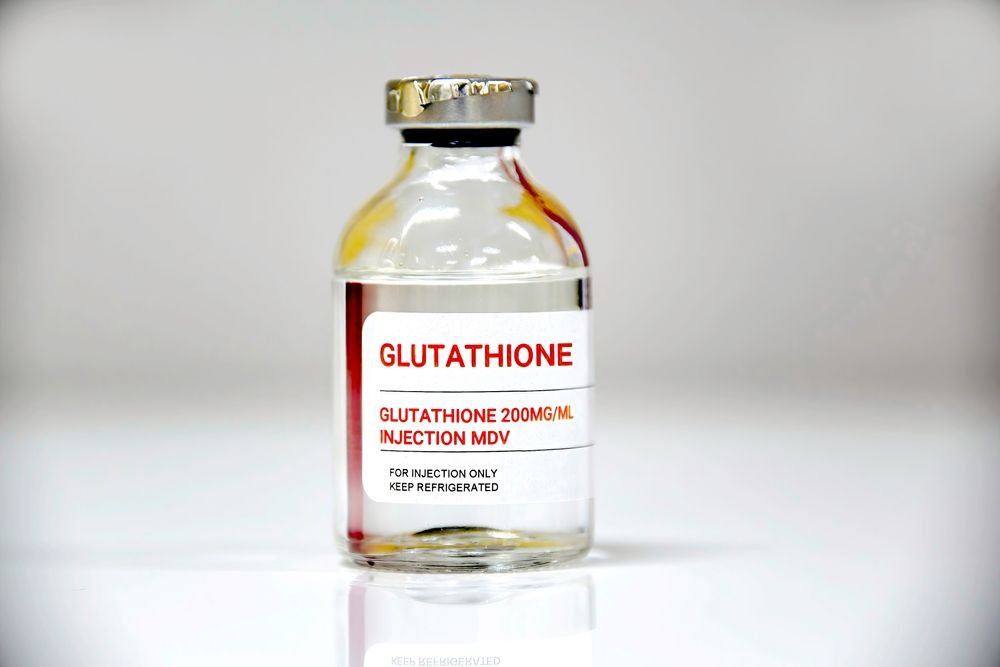
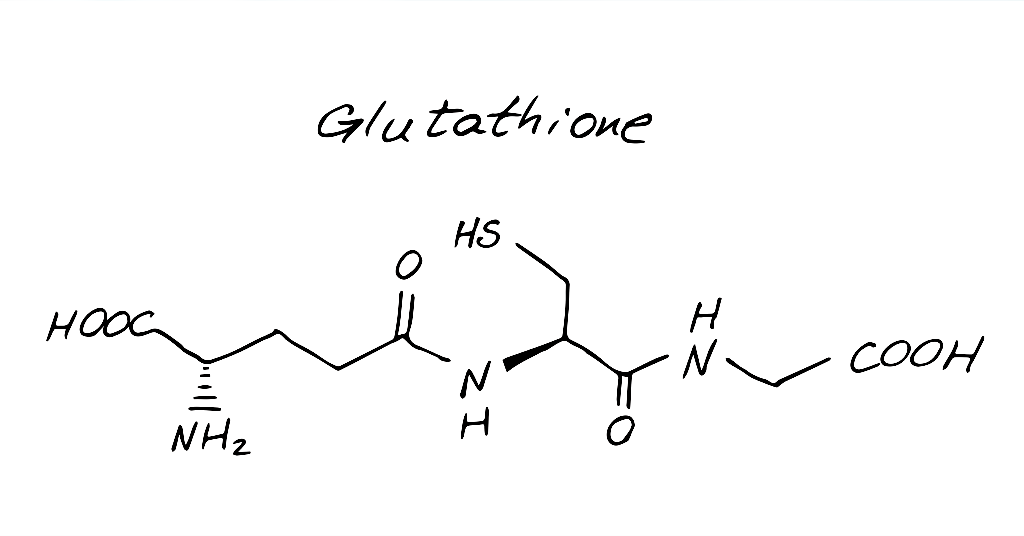
Additionally, it is believed to aid in reducing oxidative stress, combating free radicals, and improving energy levels